Best Ventilated Bee Suits and Jackets for Beginners: How to Choose (and What to Check Before You Buy)
Disclosure: First Hive Gear may earn a commission if you buy through links on this page, at no extra cost to you.
The first time you open a hive, you’ll be glad you wore protection. By midsummer, you may regret wearing so much of it. That’s where ventilated gear comes in. It’s protection you’ll actually keep on when it’s hot out.
Here I’ll go over what “ventilated” means, which features matter most for a beginner, how to size a suit or jacket, and five picks with the features and prices the merchants list. For the jacket-versus-suit decision itself, see bee jacket vs full suit. Once you’re suited up, my first hive inspection guide walks through the visit step by step.
How I picked: I haven’t handled any of these garments. Picks come from each merchant’s own product page, read on Oct 1, 2026 (ET), so features are the seller’s claims, not test results. Prices are “as listed” that day and change often.
- What “ventilated” means
- Suit, jacket, or veil only?
- What it costs
- What to look for
- My picks
- Side-by-side
- Safety notes
- FAQ
The short version
- Most important feature: a veil that zips to the garment. Mississippi State University Extension says the most protective veils zip to a jacket or full suit, because once zipped, bees cannot get in.
- Second: comfort. A beginner who is too hot or tense may rush or skip inspections.
- Third: fit. Roomy enough for airflow, not so loose that bees find gaps at the wrists, waist, or ankles.
- Don’t pay for extras yet. A good veil, sturdy zippers, and a fit you can move in beat bells and whistles.
What “ventilated” means
Ventilated bee gear uses a breathable construction, and each brand builds it differently. Betterbee describes “Bee Breeze” mesh as a layer of large-gauge mesh between two fine mesh layers. Mann Lake describes rubberized netting between two layers of fine netting. Dadant describes synthetic foam between layers of polyester mesh on its top-line suit and jacket. Those are the sellers’ descriptions, so read each listing for:
- How the ventilation is built and where it covers the body (Betterbee sells fully and partially ventilated jackets).
- Whether the veil is attached or removable, and how it zips.
- Cuffs, ankles, and waist closures, which matter as much as the fabric.
- What the claim is based on. HomesteadingGear puts it plainly: “sting resistant is not sting proof.”
Ventilation is about comfort. It isn’t a safety rating.
What extension guides say about protective gear
- Mississippi State Extension: Most beekeepers use a suit, veil, and gloves. A veil is “highly recommended for new beekeepers,” and stings to the face are especially painful.
- NC State Extension: A smoker, hive tool, and veil are the three items needed to work a hive safely. Beginners often feel more comfortable in a full-body suit and gloves.
- Oklahoma State Extension: Choice depends on personal preference and risk tolerance. Light colors are preferable to dark. Some beekeepers wear a baseball cap under the veil to keep the mesh off the face.
Learn more: Mississippi State Extension, “Beginning Beekeeping in Mississippi”
Suit, jacket, or veil only?
| Option | What it covers | Best for | Watch out for |
|---|---|---|---|
| Veil only | Head and face | Experienced keepers | Little protection elsewhere; Mississippi State says protect yourself until you have the experience to know when you can skip it |
| Jacket with attached veil | Head, torso, arms | Warm climates, or beginners wanting lighter gear | Needs sturdy long pants and boots; check waist and cuffs |
| Full suit with attached veil | Head to ankles | Nervous beginners, maximum coverage | Can be warm; ankle and cuff closures still need checking |
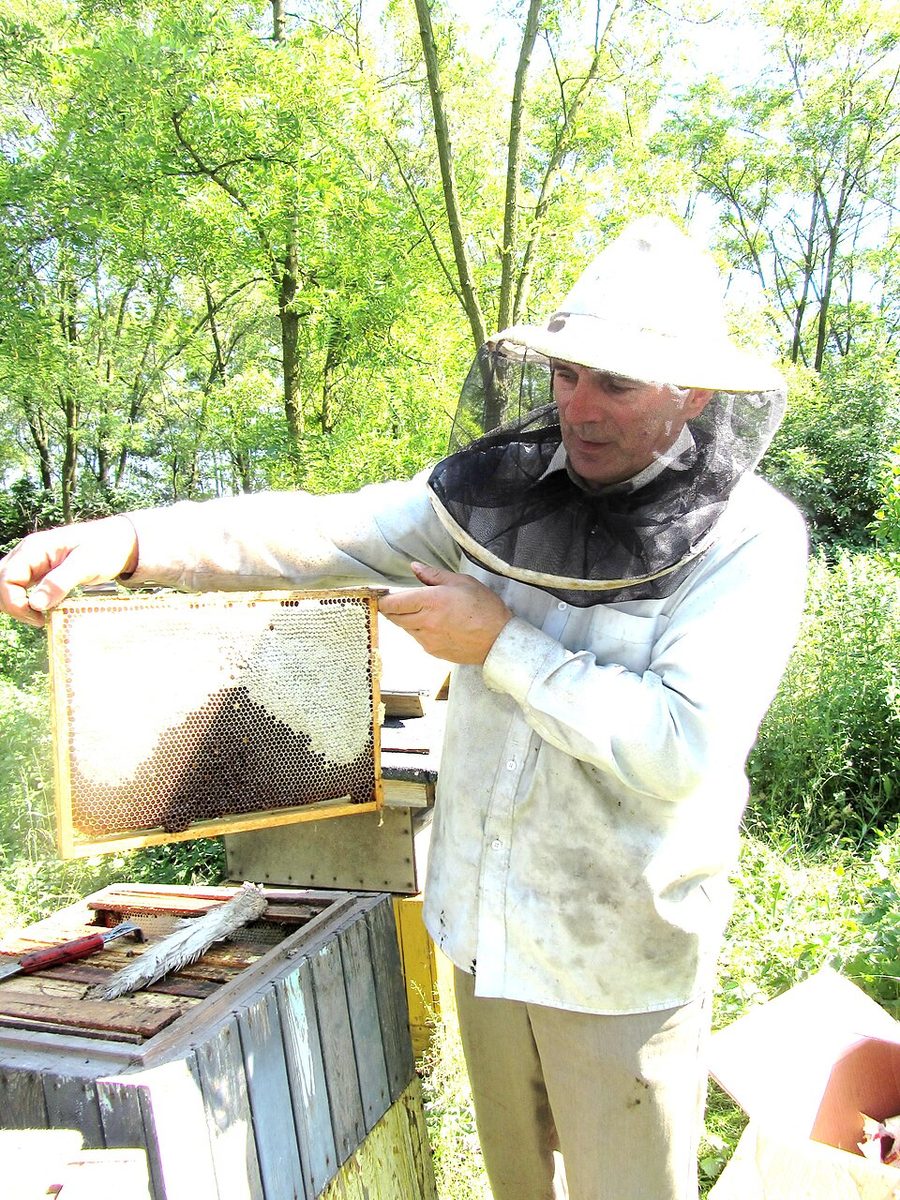
HomesteadingGear calls a jacket and veil “the honest minimum” and says a full suit in August “is why people stop inspecting.” That’s one guide’s opinion, but I think the idea behind it is right: wear what you’ll keep using. More in bee jacket vs full suit.
Learn more: NC State Extension, “How to Become a Beekeeper in North Carolina”
What ventilated gear costs
Older rules of thumb are lower than today’s listings. NC State Extension lists veils at roughly $25–$50 and full suits at roughly $70–$150 (page undated), and HomesteadingGear gives about $80–$150 for a suit and gloves. On Oct 1, 2026, the ventilated garments I checked were listed at:
- Ventilated jackets: $95.00 (Blythewood Triple Layer) to $198.00 (Betterbee Full Vent Jacket).
- Ventilated suits: $110.00 (Blythewood Triple Layer) to $259.00 (Betterbee Full Vent Suit).
Amazon prices vary by size, color, and seller, so I don’t quote them; check the live listing.
What to look for in a beginner suit or jacket
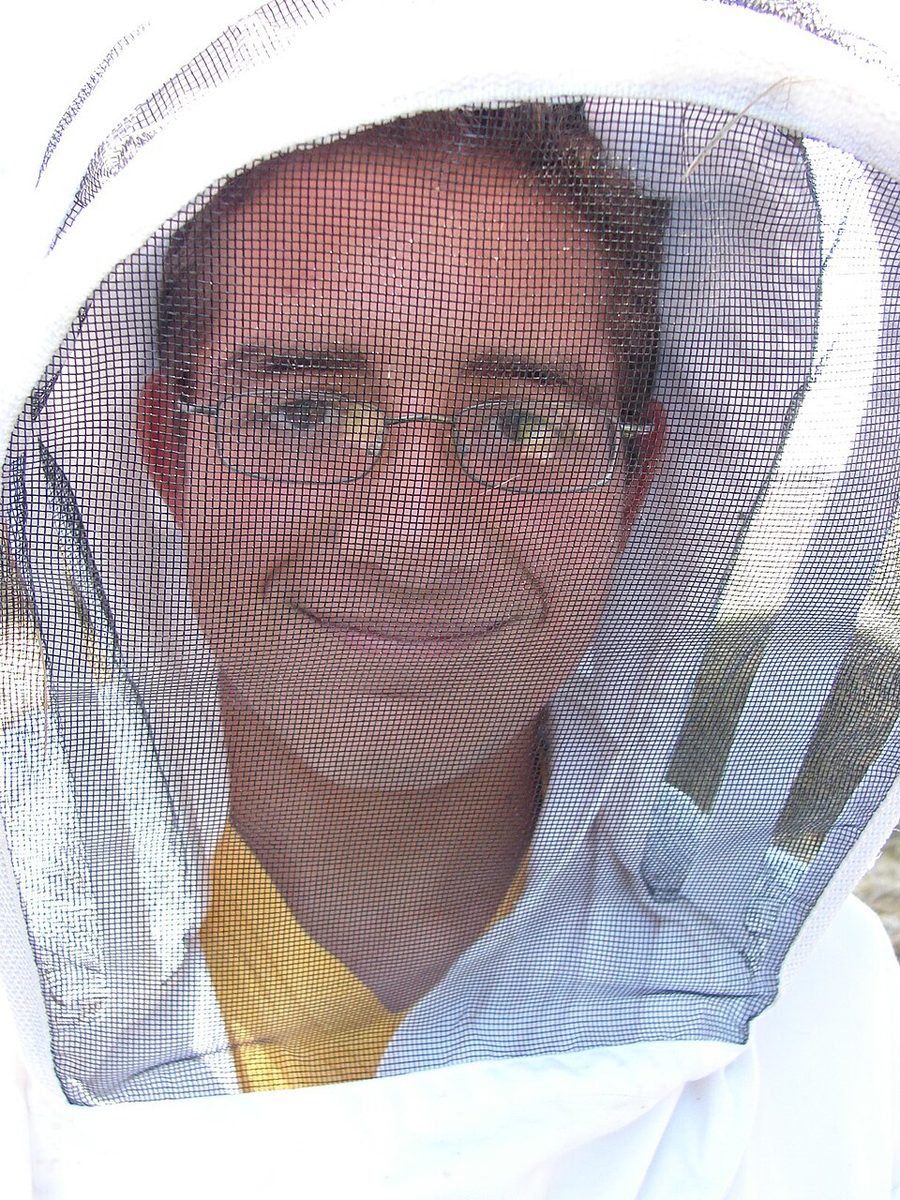
1. A zip-on veil that holds its shape
Mississippi State notes bees can still sting if the veil presses against your skin, though most zippered veils keep enough clearance. Some wear a cap under the veil to hold the mesh away.
2. Secure cuffs, ankles, and waist
Look for elastic or closures at wrists, ankles, and waist. Betterbee’s jackets list a drawstring hem; Mann Lake’s list an elastic waist. Pair a jacket with long pants and closed, ankle-covering footwear.
3. Light colors
Oklahoma State says light colors are preferable to dark.
4. Pockets and zippers you can work with
Check for pockets sized for a hive tool and zippers you can run with gloves on. The veil zipper matters most.
5. Sizing with room to move
Measure yourself and use the maker’s chart (links in the picks below). Check whether the garment is meant to go over clothes, and check the return or exchange policy. Mann Lake lists a free one-time exchange on its clothing.
6. Care and durability
Mann Lake’s listings say to remove the veil before washing. Replace or repair torn mesh; a veil with a hole in it isn’t doing its job.
My picks
These are listed-feature picks, not tested picks. Each slot has a runner-up so you can compare.
Best ventilated full suit for a nervous beginner: Mann Lake Vented Beekeeping Suit With Veil
Listed at $184.99 (SKU Z332), in stock on Oct 1, 2026. Mann Lake lists a self-supporting collapsible round veil, two-way zippers at the neck and chest, elastic wrists with thumb holds, heavy-duty zippers at the ankles, reinforced knees, and pockets for hive tools. Sizes listed: S–3XL. Product page · Check price at Mann Lake
Pick this if: you want maximum coverage, often work in warm weather, and like a one-time exchange option. Also consider: Dadant Economy Ventilated Suit, $139.95 (page), listed with three layers of ventilated netting, knee padding, and elastic zippered ankles, sizes S–2XL. Check price at Dadant
Best ventilated jacket for warm climates: Betterbee Full Vent Jacket
Listed at $198.00 (JACKETFV). Betterbee says it is made entirely of three-layer Bee Breeze mesh, with four front pockets, a drawstring hem to snug the jacket at the waist, soft cotton cuffs with thumb holes, and your choice of round or English veil. Sizes offered include XS–4XL and 6XL. Product page · Check price at Betterbee
Pick this if: heat is your main worry and you want a veil style choice. Also consider: Mann Lake Vented Jacket with Veil, $154.99 (Z333, sizes S–3XL, collapsible round veil, elastic waist) (page), or Betterbee’s Partially Ventilated Jacket at $139.00, which has mesh only under the arms and down the sides (page). Check prices: Mann Lake · Betterbee
Best budget option: Blythewood Swarm Commander Triple Layer Ventilated Bee Jacket
Listed at $95.00 (marked “Sale”), the lowest-priced ventilated jacket I found. Blythewood lists triple-layer mesh, an overlapping dual neck zipper, an extra-long torso, a wire-frame collapsible veil, and chest pockets, in sizes XS–5XL. The page showed no reviews. Product page · Check price at Blythewood Bee Company
Pick this if: you want ventilation without a $150+ price. Also consider: Dadant’s Ventilated Jacket, $129.95 (page), listed as foam between polyester mesh with a hat veil and an adjustable Velcro strap; Dadant’s page doesn’t say how the veil attaches, so confirm before buying. Check price at Dadant
Best for tall, short, or plus sizes: Betterbee Full Vent Suit
Listed at $259.00 (SUITFV). Size options run XXS–4XL plus 6XL, and Betterbee’s chart gives chest measurements from 30″–32″ (XXS) to 62″–64″ (4XL). It lists Bee Breeze mesh, four front pockets, thumb-hole cuffs, and calf zippers on the pant legs. Product page · Check price at Betterbee
Also consider: Blythewood’s Triple Layer Ventilated Bee Suit at $110.00, listed in XS–5XL with 18-inch YKK leg zippers. On Oct 1 its L, XL, and 5XL sizes showed “sold out.” Product page · Check price at Blythewood Bee Company
Best with removable veils: USKEEPERS 3 Layer Ventilated Bee Jacket (Amazon)
HomesteadingGear lists a USKEEPERS ventilated jacket among its first-inspection basics. The Amazon listing says it has three layers of poly-cotton mesh and comes with two detachable veils (a fencing veil and a round veil) and goatskin gloves. It also lists YKK zippers, an elastic waist, Velcro wrists, and thumb loops, in sizes S–4XL and white or brown. Amazon listing
Caveats: The title says “sting proof,” which conflicts with HomesteadingGear’s warning that sting resistant is not sting proof. The listing’s pocket count is stated as both six and four. Amazon’s own summary of customer reviews says feedback on fit and zippers is mixed, so read recent reviews and check sizing.
Side-by-side
| Pick | Type | Veil | Closures | Sizes listed | Listed price (Oct 1, 2026) | Best for |
|---|---|---|---|---|---|---|
| Mann Lake Vented Suit (Z332) | Full suit | Collapsible round, self-supporting | Elastic wrists, ankle zippers | S–3XL | $184.99 | Nervous beginners |
| Betterbee Full Vent Jacket (JACKETFV) | Jacket | Round or English (your choice) | Drawstring hem, cuffs with thumb holes | XS–4XL, 6XL | $198.00 | Hot climates |
| Blythewood Triple Layer Jacket | Jacket | Wire-frame collapsible, zip-removable | Dual neck zipper, extra-long torso | XS–5XL | $95.00 | Budget |
| Betterbee Full Vent Suit (SUITFV) | Full suit | Round or English (your choice) | Cuffs with thumb holes, calf zippers | XXS–4XL, 6XL | $259.00 | Wide size range |
| USKEEPERS 3 Layer Jacket | Jacket | Two detachable (fencing, round) | Elastic waist, Velcro wrists | S–4XL | See live listing | Removable veils |
Safety notes you shouldn’t skip
- Sting allergies: NC State Extension says about 1 in 200 people has a true allergic reaction to bee venom that needs immediate medical attention. The University of California Master Beekeeper Program notes sensitivity can change over time, even in people stung many times. Talk to a doctor if you have concerns, and don’t rely on a suit as allergy protection.
- Smoker burns: Mississippi State recommends smokers with heat shields. Keep sleeves and gloves away from hot parts.
- Gloves: I’ll cover gloves in a separate guide.
- Check your local rules on keeping bees. This article isn’t legal advice.
Learn more: California Master Beekeeper Program on honey bee stings
Common mistakes
- Buying the cheapest veil and hoping. The veil is the part you need most.
- Choosing a size that’s too tight. Fabric pressed against skin gives less buffer.
- Skipping boots and long pants with a jacket.
- Treating ventilation as sting-proof. It’s a comfort feature.
- Buying before you’ve picked a hive. A kit may include a veil. See best beekeeping starter kits.
FAQ
Do I need a full suit as a beginner?
Not necessarily. NC State and Oklahoma State both frame it as comfort and risk tolerance. See bee jacket vs full suit.
Are ventilated suits worth the extra money?
In a hot place, probably, since they’re easier to keep wearing. Paying more doesn’t automatically make you safer, though.
What color should I wear?
Light colors, according to Oklahoma State Extension.
Sources
- Mississippi State University Extension, “Beginning Beekeeping in Mississippi”
- NC State Extension, “How to Become a Beekeeper in North Carolina”
- Oklahoma State University Extension, “Beginning Honey Beekeeping Equipment and Associated Costs”
- HomesteadingGear, “Best Beekeeping Starter Kits” (Aug 2026)
- UC Master Beekeeper Program, “Honey Bee Stings”
- Mann Lake product pages (read Oct 1, 2026): vented suit and vented jacket
- Betterbee product pages (read Oct 1, 2026): full-vent jacket, part-vent jacket, full-vent suit
- Blythewood Bee Company product pages (read Oct 1, 2026): triple-layer mesh jacket and triple-layer ventilated suit
- Dadant product pages (read Oct 1, 2026): ventilated jacket and economy ventilated suit
- Amazon listing, USKEEPERS 3 Layer Ventilated Bee Jacket (read Oct 1, 2026)
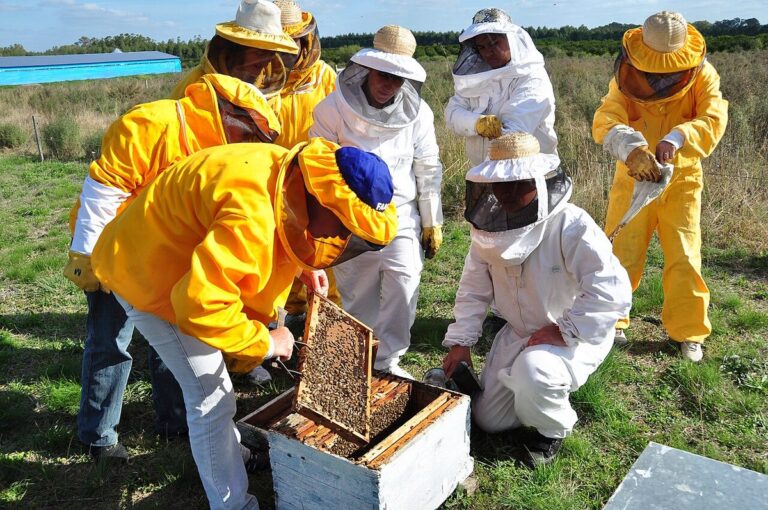
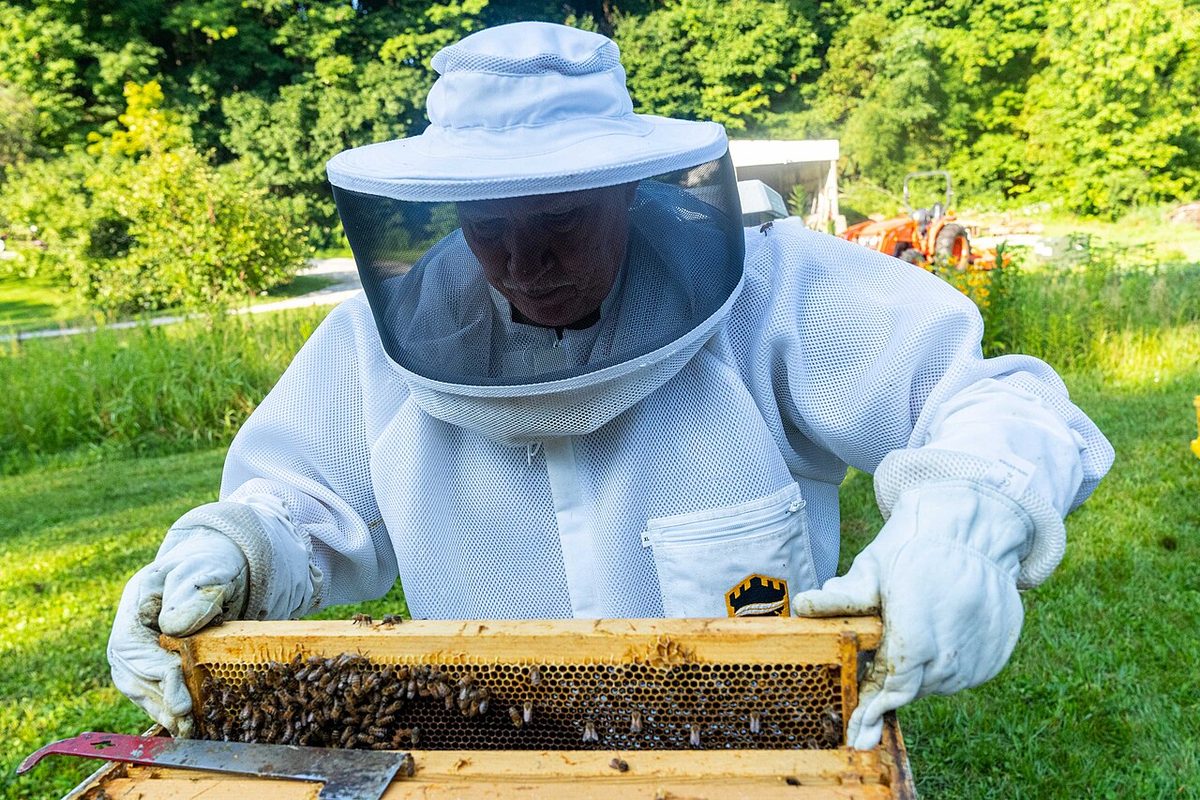
Top photo: a beekeeper in a full suit at the hive. Photo: U.S. Department of Agriculture, public domain, via Wikimedia Commons
This article is general information, not professional, medical, or legal advice.