When to Order Bees and Gear: A Beginner’s Winter Timeline (October to Spring)
Disclosure: First Hive Gear may earn a commission if you buy through links on this page, at no extra cost to you.
Bees arrive in spring, but the buying window opens in winter. That surprises many beginners. You can’t walk into a store in May and buy a colony off the shelf, and some suppliers sell out of spring bees weeks before the weather turns.
So I turned it into a calendar, using supplier pages and extension guidance, and I’ve noted where the sources differ. Treat the dates as rough. They depend on your climate, your supplier, and the season. I haven’t ordered bees from any supplier myself, and I don’t know any supplier’s current stock, so confirm dates with the seller.
- The timeline at a glance
- Oct–Nov: learn and decide
- Dec–Feb: reserve your bees
- Jan–Mar: build the hive
- Mar–Apr: site and feeding
- Apr to early June: bees arrive
- What if you miss the window?
- FAQ
The short answer
- Reserve bees in late fall or winter, not spring. Many suppliers open bee orders between late fall and February, and pickup is typically April or May, depending on region and weather. Betterbee’s page says its bees go on sale in mid-December and that it generally sells out of overwintered and spring nucs and packages by mid-February.
- Some open even earlier. On Oct 5, 2026 (ET), several regional suppliers in Ohio, Iowa, and North Dakota were already taking 2027 package or nuc preorders for April pickup, while Mann Lake’s package listing still showed spring 2026 dates. Check your local and regional sellers early.
- Other sources point to January and February. Oklahoma State Extension says most companies take package and nuc reservations around January, though it is often possible to secure bees later. HiveMindGuide says that if you’re starting in April, order in January or February, and that many suppliers sell out of spring nucs and packages by March.
- Have the hive ready first. The bees arrive on the seller’s schedule, not yours.
The timeline at a glance
| When | What to do |
|---|---|
| Now through November | Learn, join a club, check local rules, choose 8- or 10-frame equipment |
| October–December | Watch for bee orders to open: some regional suppliers take preorders in fall; Betterbee opens in mid-December |
| December–February | Reserve bees (package or nuc) |
| January–March | Buy, assemble, and paint your hive |
| March–April | Choose a site, practice with gear, set up feeding |
| April–early June | Bees arrive and are installed, depending on climate |
October–November: learn and decide
Before you spend anything on bees, settle a few decisions.
- Join a club or find a mentor. NC State Extension says clubs help you find a mentor and get hands-on experience before buying colonies. It also says winter “bee schools” are common, and held in winter when bees are less active.
- Check local rules. HomesteadingGear says some municipalities restrict beekeeping or require registration. Check zoning, HOA rules, and state registration. This isn’t legal advice.
- Decide on hive size. Mississippi State says 8-frame and 10-frame boxes don’t stack, so choose before you shop. See 8-frame vs 10-frame hive.
- Take a course. See best beekeeping courses & books.
- Budget. See first-year budget.
Learn more: Mississippi State Extension, “Beginning Beekeeping in Mississippi”
December–February: reserve your bees
Betterbee’s page says that after its bees go on sale in mid-December, some options sell out in just a few weeks. It also says it generally sells out of overwintered and spring nucs and packages by mid-February. Betterbee says bees are pickup only at its Greenwich, New York location; it doesn’t ship them, and it schedules pickups in April and May depending on weather and availability. Other suppliers work differently: Oklahoma State says packages can be shipped to you, while nucs cannot be shipped and are bought locally.
On Oct 1 and again on Oct 5, 2026 (ET), Mann Lake’s California Italian package listing showed $185.95 for store pickup or $214.95 shipped. It showed out of stock, and its ship/pickup date choices were all spring 2026 dates (April 18 to May 16, 2026), so the 2027 season didn’t appear to be posted yet. Smaller regional sellers can move earlier: on Oct 5, My Bee Supply (Ohio) listed 2027 package and nuc preorders with April 2027 pickup dates, Lappe’s Bee Supply (Iowa) said it was accepting orders for spring 2027 pickup, and Little Apiary on the Prairie (North Dakota, with pickup sites across the northern Plains and Upper Midwest) listed 2027 package preorders for tentative April 2027 delivery. These are a few listings on a couple of days, not a statement about any supplier’s plans, but they’re a reminder to check each seller’s page early.
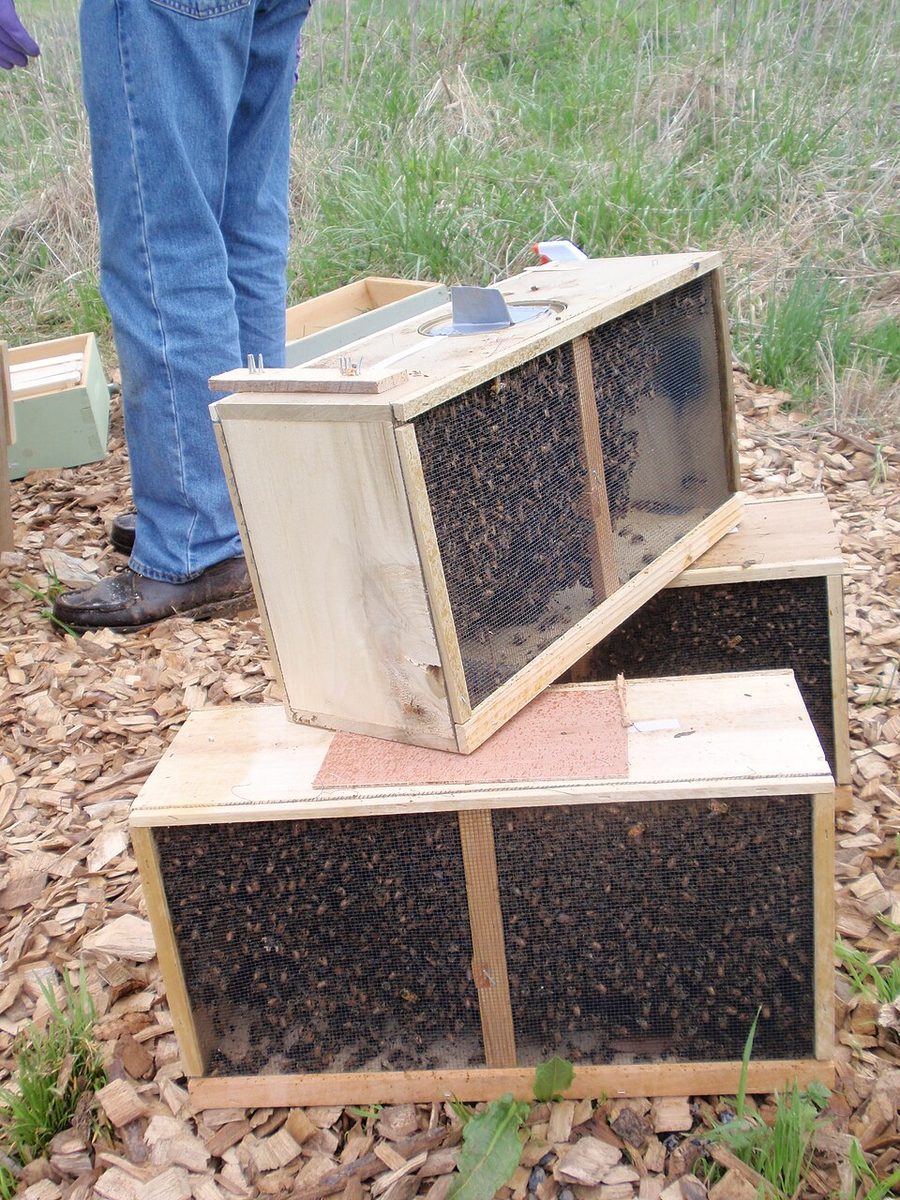
Package or nuc? Betterbee describes a package as about three pounds of bees with a queen, no comb, that starts slowly and is cheaper, with a flexible installation window. A nuc is a small established colony with five frames of drawn comb, brood, and stores, which grows faster but costs more and can carry brood disease if the seller is careless. Oklahoma State agrees on the broad trade-offs and adds that nucs may require you to add equipment quickly. See best beekeeping starter kits for what a kit does and doesn’t include.
Two colonies? Betterbee recommends starting with two colonies so you can compare them, with a second as an early-warning and rescue colony. That doubles the bees and hive costs, so decide this when you reserve.
See Betterbee’s honey bees page, or ask your local club about local nuc sources, which Betterbee itself recommends if you live far from its pickup location.
Learn more: Betterbee, “How to Buy Bees”
January–March: build and paint the hive
Oklahoma State says to paint outer components with low-VOC outdoor paint and to finish at least two to three weeks before bees arrive so the paint cures. Betterbee says to buy woodenware at least a couple of weeks before bee pickup, to leave time to assemble and paint, and notes that unassembled parts are “cheaper,” but only if your time isn’t worth too much to you.
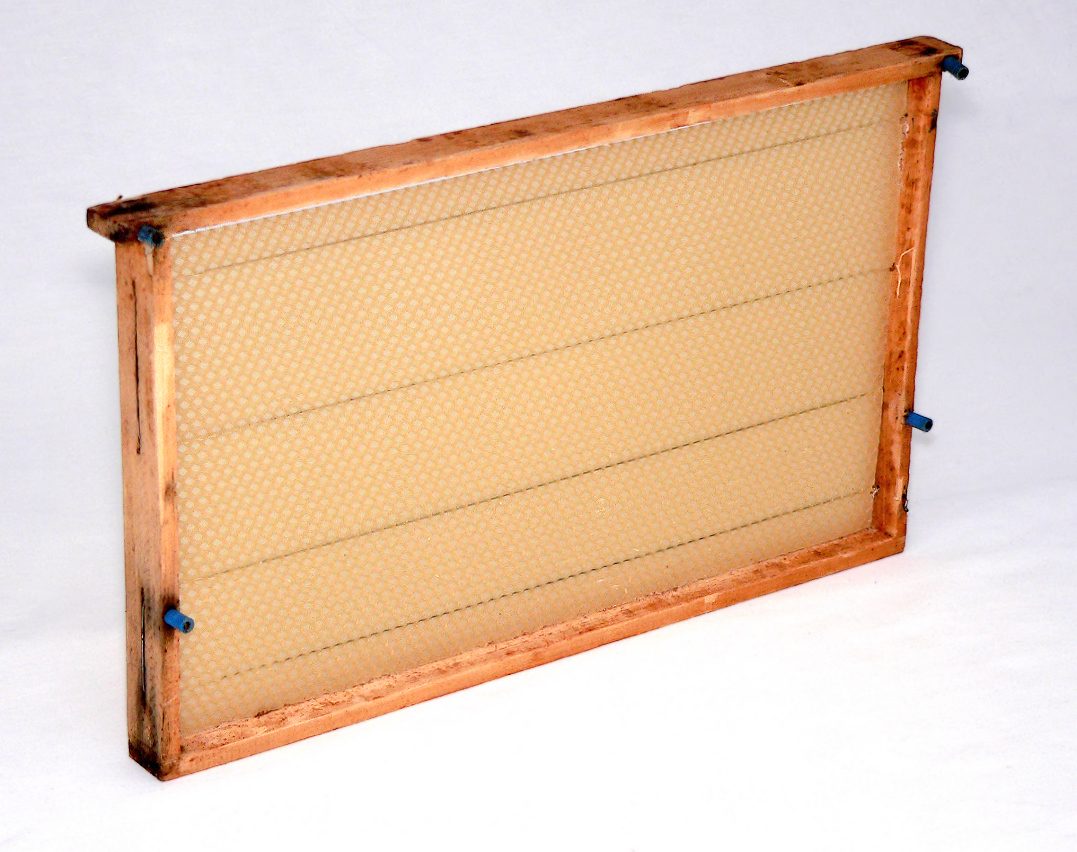
If you’re buying a kit, order it with enough lead time. Betterbee’s assembled beginner kit page says assembled kits take 3–5 days to assemble before shipping, and that’s before shipping time. Don’t order the night before pickup.
Your gear checklist: see beginner beekeeping equipment checklist. Time-sensitive items are:
- Hive and frames, per the kit. Shop kits: Betterbee · Dadant · Mann Lake
- Veil and jacket or suit, so you can practice wearing it. See best ventilated bee suits & jackets and bee jacket vs full suit.
- Smoker and fuel. See best bee smokers.
- Feeder and sugar. Oklahoma State says it is critical to provide sugar water when bees first arrive.
Learn more: Oklahoma State Extension’s fact sheet on beginner equipment and costs
March–April: site, practice, and feeding
- Pick a site. Oklahoma State says to choose a well-drained spot with good airflow, ideally with a northern windbreak, plus a reliable water source. HiveMindGuide suggests placing water within 50 feet so bees don’t bother neighbors. These are suggestions to check with a local mentor.
- Practice. Betterbee suggests that after ordering you get used to your smoker and other equipment, and put on your suit or jacket and gloves to practice moving and gripping until you’re comfortable.
- Set up your feeder and learn how you’ll install bees. Oklahoma State says sellers should provide installation instructions.
Learn more: Betterbee, “Plan and Prepare Ahead for Bee Pickup”
April to early June: the bees arrive
HiveMindGuide says that in most of North America early spring is best, and that you should aim to install after nighttime lows stay above 40°F and daytime highs reach the 50s and 60s, usually April through early June. It notes that dates depend on frost dates and local bloom. Betterbee schedules pickup appointments in April and May. A late freeze can complicate things, so stay flexible.
Oklahoma State says to add a second box once the bees have drawn comb on eight of ten frames. See beginner beekeeping equipment checklist.
Once your first colony is settled, plan ahead for autumn with my guide to fall feeding and winter prep for first-year beekeepers.
Learn more: NC State Extension, “How to Become a Beekeeper in North Carolina”
What if you miss the window?
- Look local. Betterbee itself says to ask your local bee club who has bees for sale. NC State says clubs often keep “swarm-call” lists, though beginners usually need help catching a first swarm.
- Consider a later start with a nuc. HiveMindGuide says late spring to early summer works for nucs and locally mated queens, with the risk of missing the main nectar flow. It calls fall the worst time to start in cold climates.
- Use the time. Take a course, join a club, and prepare equipment for next year. It’s also a good stretch to plant for your future bees, and I list what to grow season by season in plants for honey bees. A prepared start beats a rushed one.
Common mistakes
- Waiting for warm weather to order. HiveMindGuide says suppliers may be sold out by then.
- Buying a hive first and bees later. Reserve the bees, then confirm gear timing.
- Painting too late. Paint needs weeks to cure.
- Skipping the local club. They know what’s available and when.
- Assuming all suppliers ship. Betterbee does not.
FAQ
Can I order bees in the fall?
Sometimes. On Oct 5, 2026, some regional suppliers were already taking 2027 preorders, while Betterbee’s page describes bees going on sale in mid-December and Mann Lake’s package listing still showed spring 2026 dates. Check with each supplier, and don’t assume orders are open (or still available) without looking.
Is it too late to order in March?
Possibly for some suppliers. HiveMindGuide says many sell out by March, but Oklahoma State says it is often possible to secure bees later in the year. Ask a local club.
What do I need before the bees arrive?
At minimum, an assembled and painted hive, a veil or protective clothing, a smoker and fuel, a hive tool, and a feeder. See beginner beekeeping equipment checklist.
Sources
- Betterbee, “First Things, First: How To Buy Bees” (read Oct 1 and Oct 5, 2026)
- Betterbee, “Where and When to Purchase Honey Bees” (read Oct 5, 2026)
- Betterbee, “Plan and Prepare Ahead for Bee Pickup” (read Oct 5, 2026)
- Betterbee 10-frame assembled beginner kit page (read Oct 1, 2026)
- Oklahoma State University Extension, “Beginning Honey Beekeeping Equipment and Associated Costs” (Oct 2021; read Oct 5, 2026)
- HiveMindGuide, “When Is the Best Time to Start a Beehive?” (Aug 16, 2026; read Oct 5, 2026)
- NC State Extension, “How to Become a Beekeeper in North Carolina”
- Mississippi State University Extension, “Beginning Beekeeping in Mississippi”
- HomesteadingGear (Aug 2026)
- Mann Lake package listing (read Oct 1 and Oct 5, 2026)
- My Bee Supply 2027 package preorder (read Oct 5, 2026)
- My Bee Supply 2027 nucs (read Oct 5, 2026)
- Lappe’s Bee Supply 2027 package (read Oct 5, 2026)
- Little Apiary on the Prairie 2027 package preorder (read Oct 5, 2026)
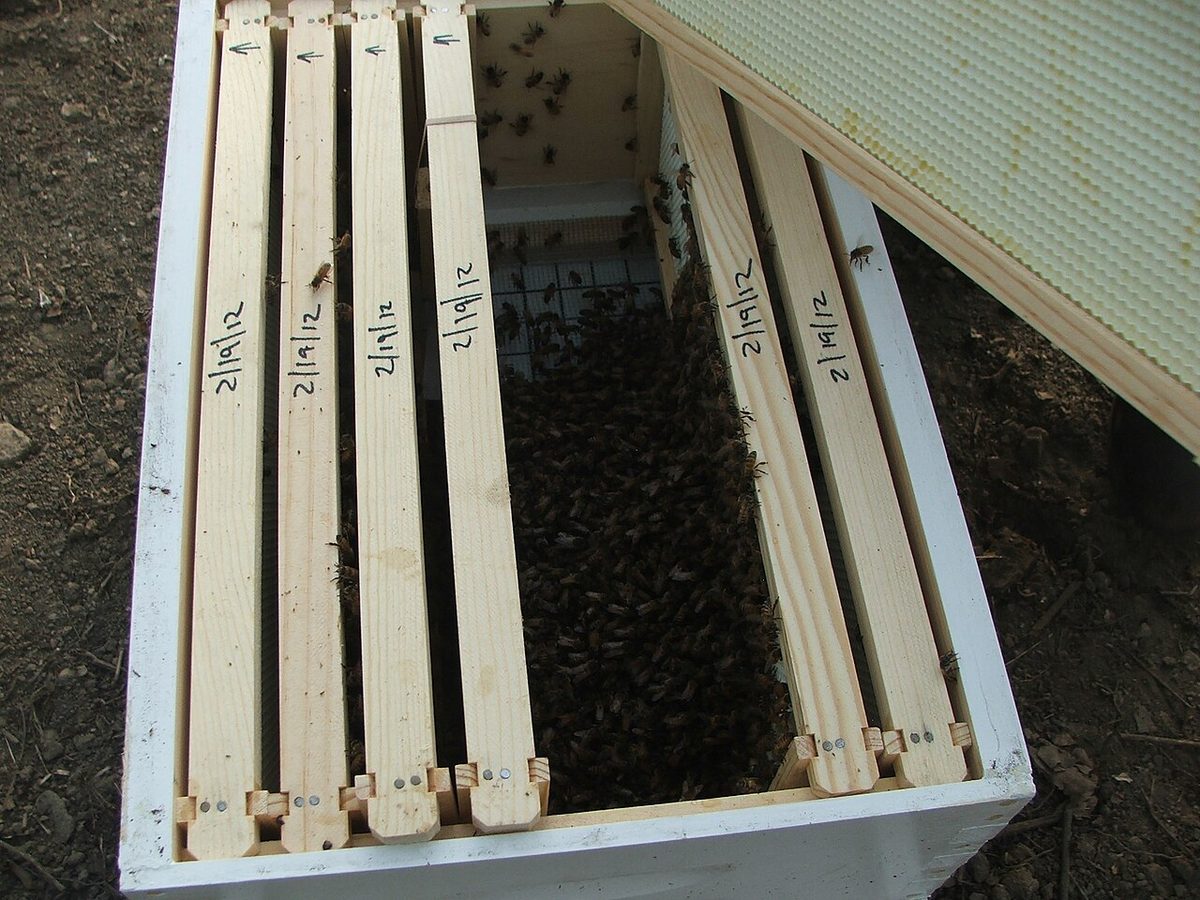
Top photo: a new Langstroth hive just after the bees went in. Photo: Chris Severn, CC BY-SA 3.0, via Wikimedia Commons
This article is general information, not professional, medical, or legal advice.