Old Hives Made New: Warré, Japanese Box Hives, Log Hives, and Tree Beekeeping
Some of the most interesting hives in use today are old designs, and in a few cases very old traditions, that beekeepers are bringing back. Most share one idea: let the bees build comb their own way, and disturb them as little as possible.
Here are four I find fascinating, what’s actually true about each, and the trade-offs if you’re just starting out.
- The Warré hive
- Japanese box hives and log hives
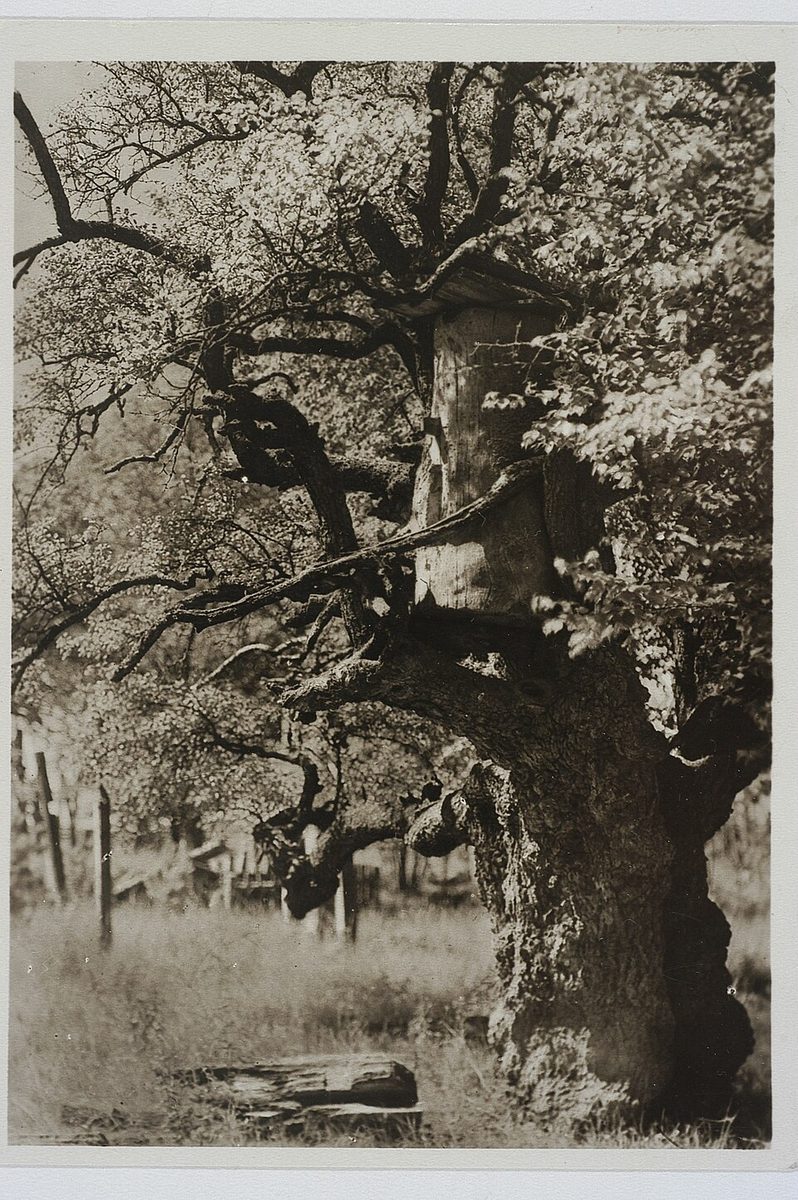
- Tree beekeeping in Europe
- The Sun Hive
- Why these old ideas keep coming back
The short answer
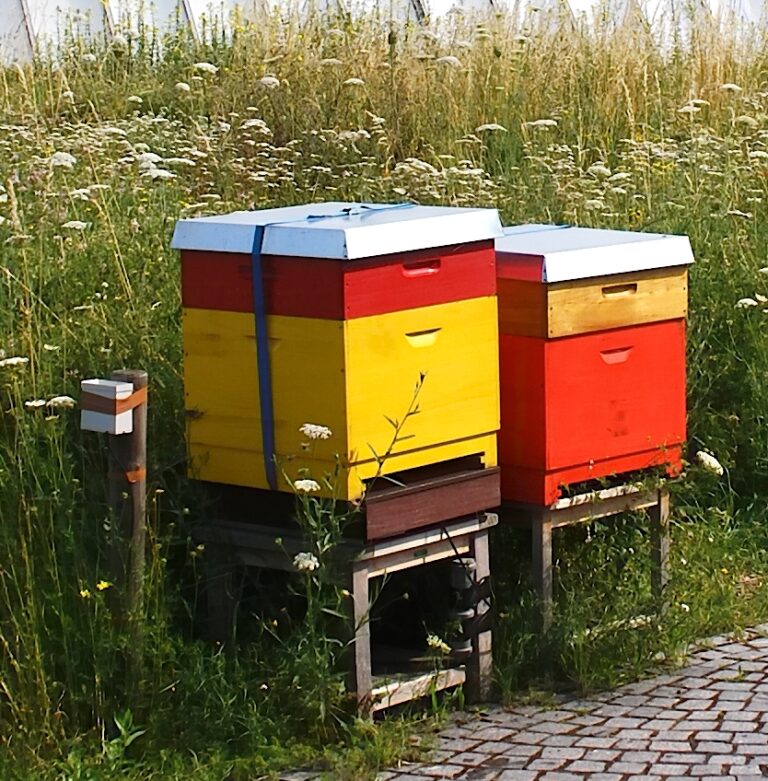
- The Warré hive is a stack of small, identical boxes with top bars instead of frames. It was designed by a French priest who tested about 350 hives, and you add new boxes at the bottom.
- Japanese box hives (pile-box or jūbako hives) and log hives are built for Japan’s native honey bee and harvested about once a year.
- Tree beekeeping and log hives are a centuries-old forest tradition in Poland and Belarus that UNESCO recognized in 2020. It’s being revived in Germany, the UK, and beyond.
- The trade-off: most of these hives are harder to inspect frame by frame, and some U.S. states legally require movable frames.
The Warré hive: “The People’s Hive”
Abbé Émile Warré (1867–1951) was a French priest who watched beekeeping decline in France during his lifetime. According to David Heaf, who translated Warré’s book into English, Warré experimented with about 350 hives of different designs. He was after something simple, cheap, and bee-friendly that still gave the beekeeper a honey surplus. The result was his Ruche Populaire, or People’s Hive, described in his book L’Apiculture pour Tous (Beekeeping for All). The 12th edition, the one the English translation is based on, dates from 1948.
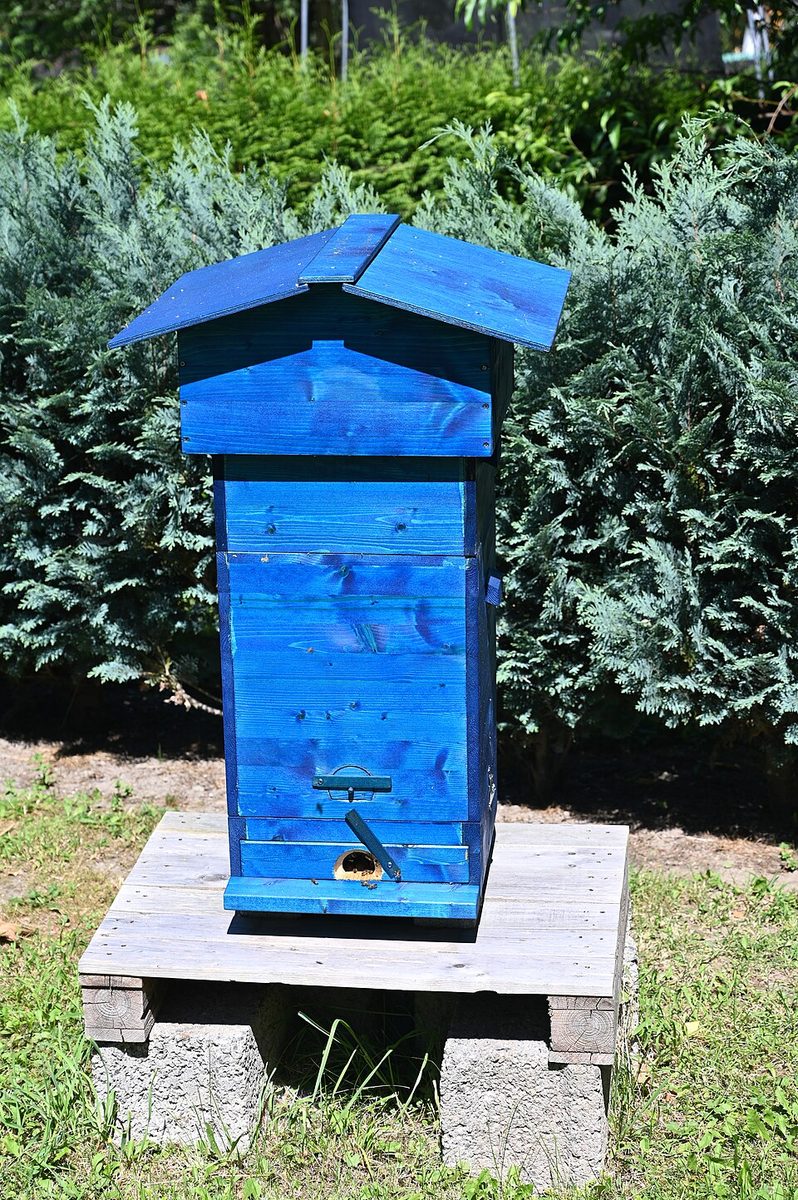
Per Heaf’s summary of the design:
- Identical boxes, each 300 × 300 × 210 mm inside
- Eight top bars per box and no frames. Bees hang comb from wax starter strips.
- A “quilt” on top, a 100 mm box filled with straw or wood shavings for insulation, under a gabled, ventilated roof
- New boxes go underneath (“nadiring”), and honey is harvested from the top box after the main flow
- The hive is truly opened, in Warré’s view, only once a year, at harvest
Heaf’s site traces the hive’s spread outside France: first colonies in Germany and Russia in 2006, an experiment in Wales in 2007, and hives in Canada, the U.S., and Spain by 2008.
Learn more: David Heaf’s “Beekeeping with the Warré hive” site (plans, methods, and a free copy of Warré’s book)
Check your state law first, because fixed-comb hives can run into apiary laws. Virginia’s code, for example, requires beekeepers to provide “movable frames” so that any frame “may be removed from the hive without injuring other combs.” Delaware’s code (§ 7505) has nearly identical wording, and other states have their own rules. Some Warré variants use frames for this reason. Call your state apiarist before you build one.
Japanese box hives and log hives
Japan has its own native honey bee, Apis cerana japonica, which is a different species from the European honey bee most beekeepers keep. According to a Tokyo Foundation report, European honey bees were brought to Japan in 1876, and the native bee was long considered “inferior” for honey. Native-bee honey is now prized.
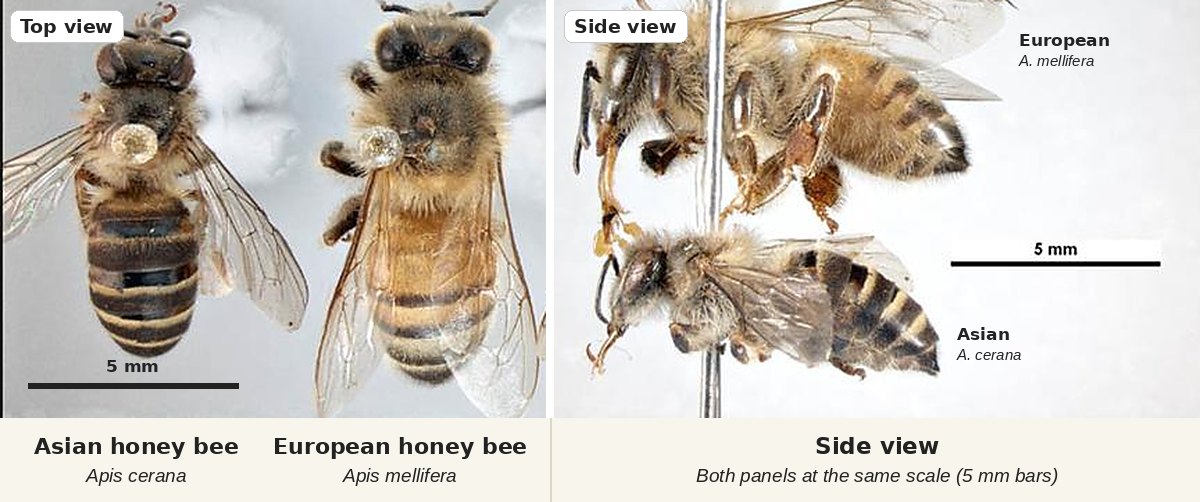
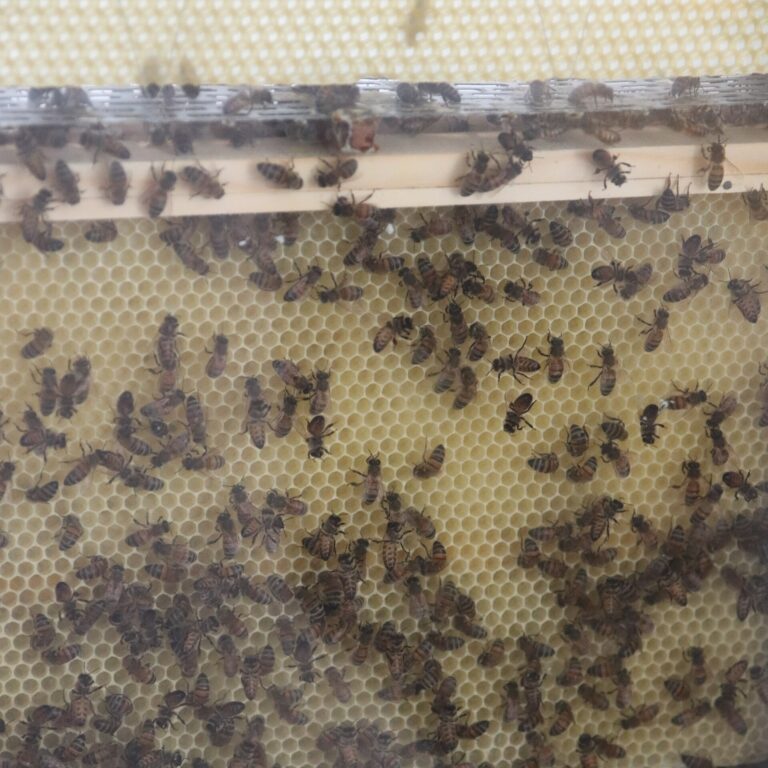
The Japanese honey bee is a subspecies of the Asian honey bee. Asian honey bees are less hairy, so they look shinier, and their stripes run evenly down the whole abdomen. European bees look fuzzier and paler toward the front. Color and size vary within both species, so the sure way to tell them apart is a small vein in the hind wing. The specimens above aren’t labeled by subspecies, so the Asian bee pictured isn’t necessarily a Japanese honey bee (A. c. japonica).
The Japanese honey bee also has a famous trick against hornets. It can kill a Japanese giant hornet by balling around it and vibrating its flight muscles until the temperature in the ball reaches about 47 °C (about 117 °F).
Log hives: On Tsushima island, beekeepers still use traditional log hives called hachido, about 70 cm tall and bored out to 22 to 23 cm across. The entrances are kept small so hornets can’t get in. Honey is harvested once a year in fall by cutting out a half or a third of the comb and leaving the rest. A survey there counted 379 households keeping native bees.
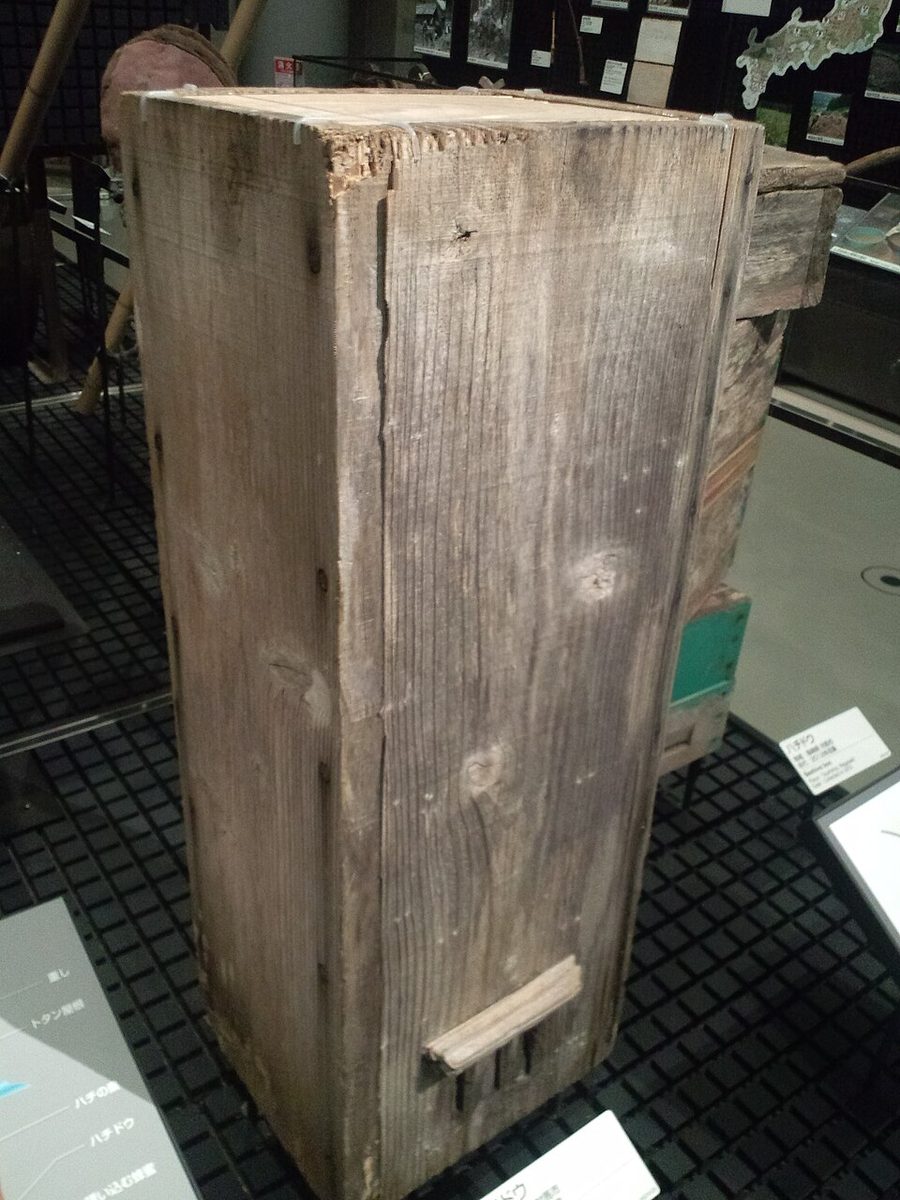
Pile-box hives: A more modern approach stacks two to six simple wooden boxes. As with the Warré, you add boxes at the bottom and take honey from the top box, so the colony isn’t destroyed at harvest. A Japanese natural beekeeping site that explains the method lists the downsides plainly: you can’t really control swarming, split or combine colonies, or harvest honey from a single flower source. Honey yields are lower too, because the comb comes out with the honey.
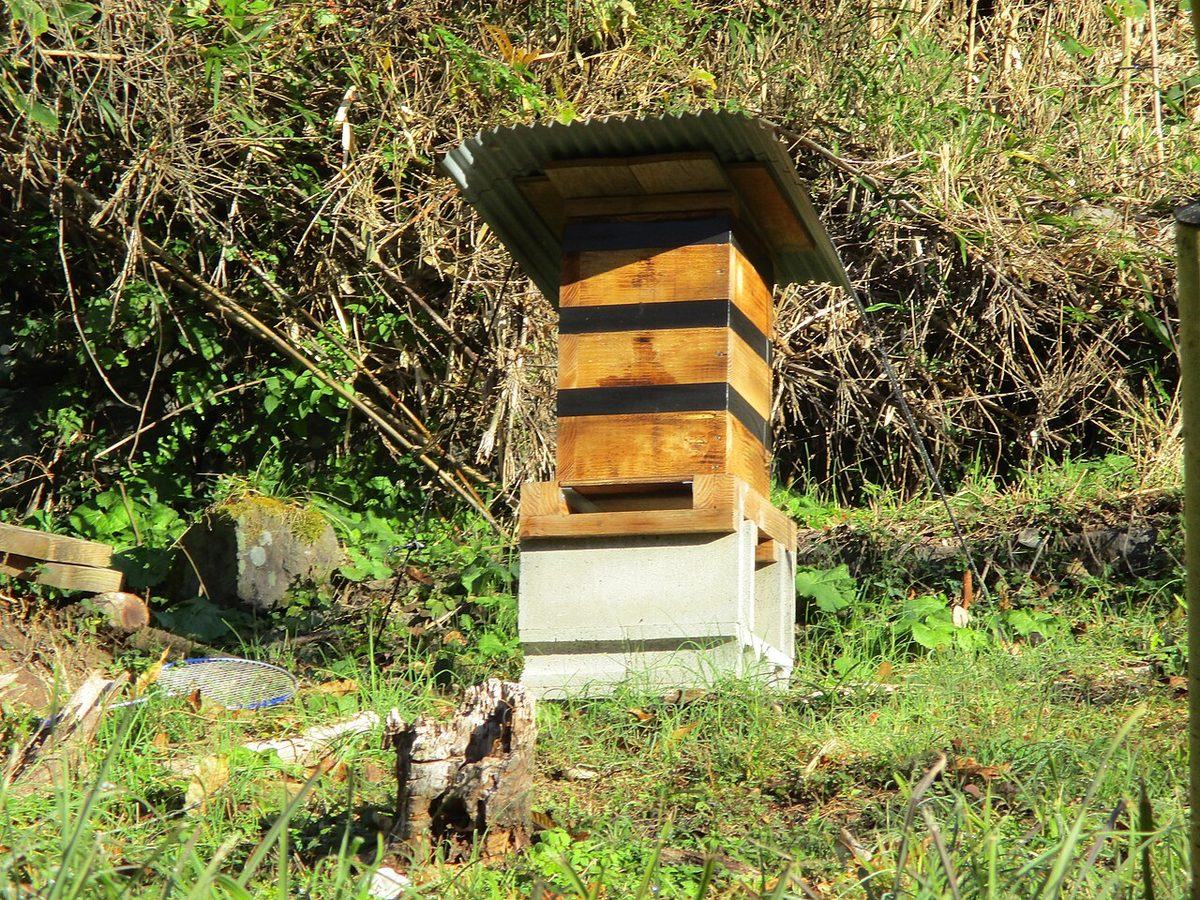
Learn more: Japan Natural Beekeeping: how the pile-box hive works (in English)
Tree beekeeping and log hives in Europe
Long before boxes, people in Europe’s forests kept bees in hollows carved into living trees. In 2020, UNESCO added tree beekeeping culture in Poland and Belarus to its Representative List of the Intangible Cultural Heritage of Humanity. UNESCO describes tree beekeepers caring for bees in tree or log hives in forests while trying “to recreate the primeval living conditions” without interfering with the bees’ natural life cycle. It notes that tree beekeepers “have no goal of intensifying honey production.”
The practice is spreading again:
- In the UK, the Natural Beekeeping Trust describes tree beekeeping as a roughly 1,000-year-old practice of keeping bees in slots cut high into living pine, lime, and oak trees, done so the tree keeps living. Traditionally, a mark called a tamga was cut into the bark to show who owned the hive. The Trust also promotes log hives made from storm-felled trees, placed up in trees or on the ground.
- In Germany, where the old forest beekeepers were called Zeidler, the beekeeping association Mellifera offered a four-day workshop in Rosenfeld in early October 2026. The course listing (in German) covered building log hives (Klotzbeuten) and hollowing out living trees following Russian and Polish tradition, with instructors including foresters and beekeepers from Poland.
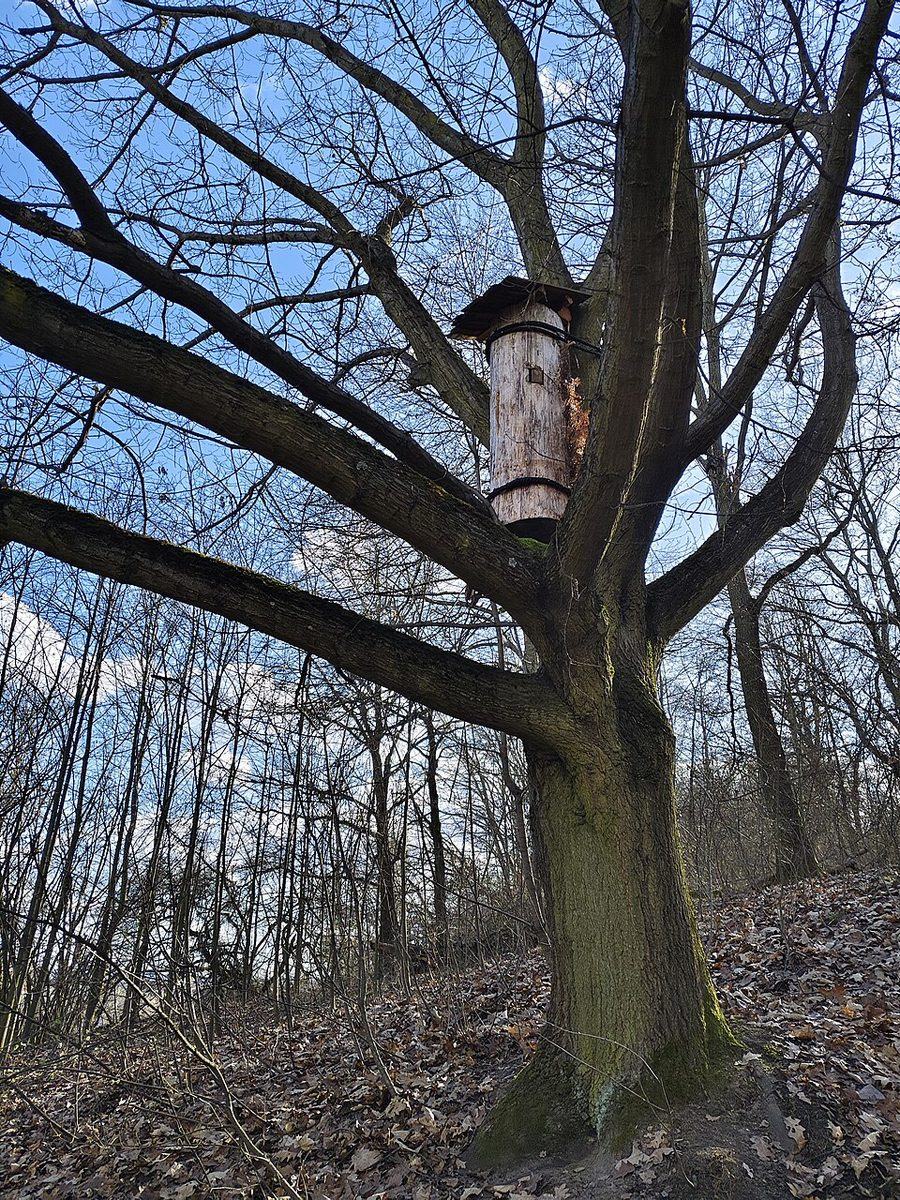
Learn more: UNESCO: Tree beekeeping culture (Poland and Belarus)
The Sun Hive
One more modern take on an old form: the Sun Hive (Weissenseifener Hängekorb), designed by German sculptor Günther Mancke. It’s an egg-shaped hive woven from rye straw like a traditional skep, with wooden supports inside. It hangs at least 2.5 meters (8 feet) off the ground. The Natural Beekeeping Trust, which promotes it, calls it a conservation hive and says honey production “is not the main purpose.” Mancke described it as an “intermediate form between a fixed-comb hive and one with a movable comb system.”
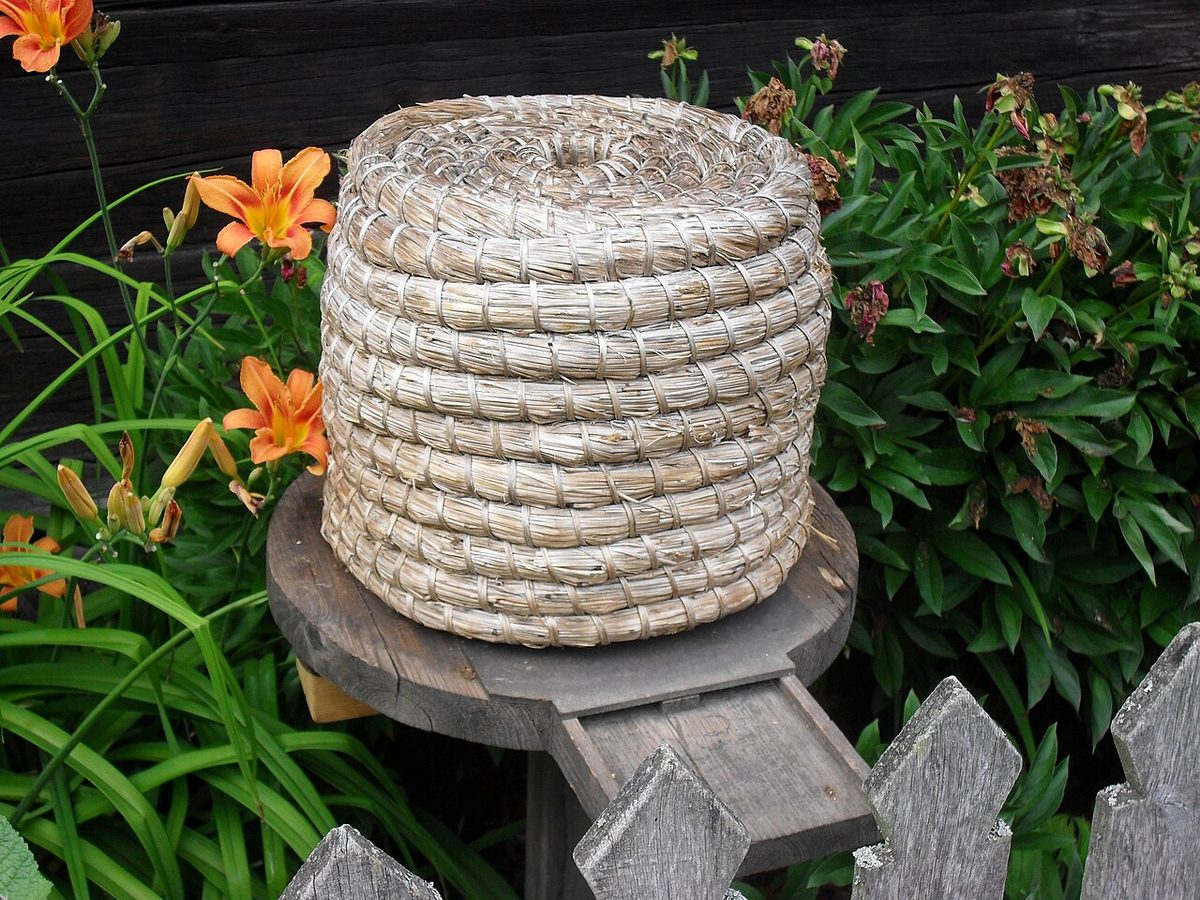
Learn more: Natural Beekeeping Trust: Introduction to the Sun Hive (with photos)
If you’re just starting out, these hives are beautiful and the ideas behind them are worth learning about, but most are built around the bees first, not honey or easy inspections. That makes them harder for a new beekeeper to read, to check for mites and disease, and in some states to keep legally. If one calls to you, start with a standard hive and a mentor, learn what healthy brood and a mite problem look like, then try a Warré or log hive alongside it.
Why these old ideas keep coming back
They’re cheap and simple to build. They suit beekeepers who want to intervene less, and they connect beekeepers to how people kept bees for centuries. The trade-off is the same one Warré accepted a hundred years ago: less checking means you see problems later. For a first hive, that trade-off usually isn’t worth it. For a second hive, it can be a great way to learn.
Sources
- David Heaf, “Beekeeping with the Warré hive”
- Abbé Émile Warré, Beekeeping for All (trans. Pat Cheney & David Heaf), PDF hosted by Sierra Beekeepers
- Code of Virginia, Title 3.2, Chapter 44 (Beekeeping), § 3.2-4403
- Delaware Code, Title 3, Chapter 75 (Bees), § 7505
- The Tokyo Foundation, “Japanese Honeybee” (Sept 4, 2009)
- Japan Natural Beekeeping, “Pile box hive”
- UNESCO Intangible Cultural Heritage, “Tree beekeeping culture” (2020)
- Natural Beekeeping Trust, “Tree Beekeeping”
- Natural Beekeeping Trust, “Sun Hive”
- Mellifera Regionalgruppe Berlin, “Klotzbeuten Workshop Fischermühle, 3.–6.10.26” (in German)
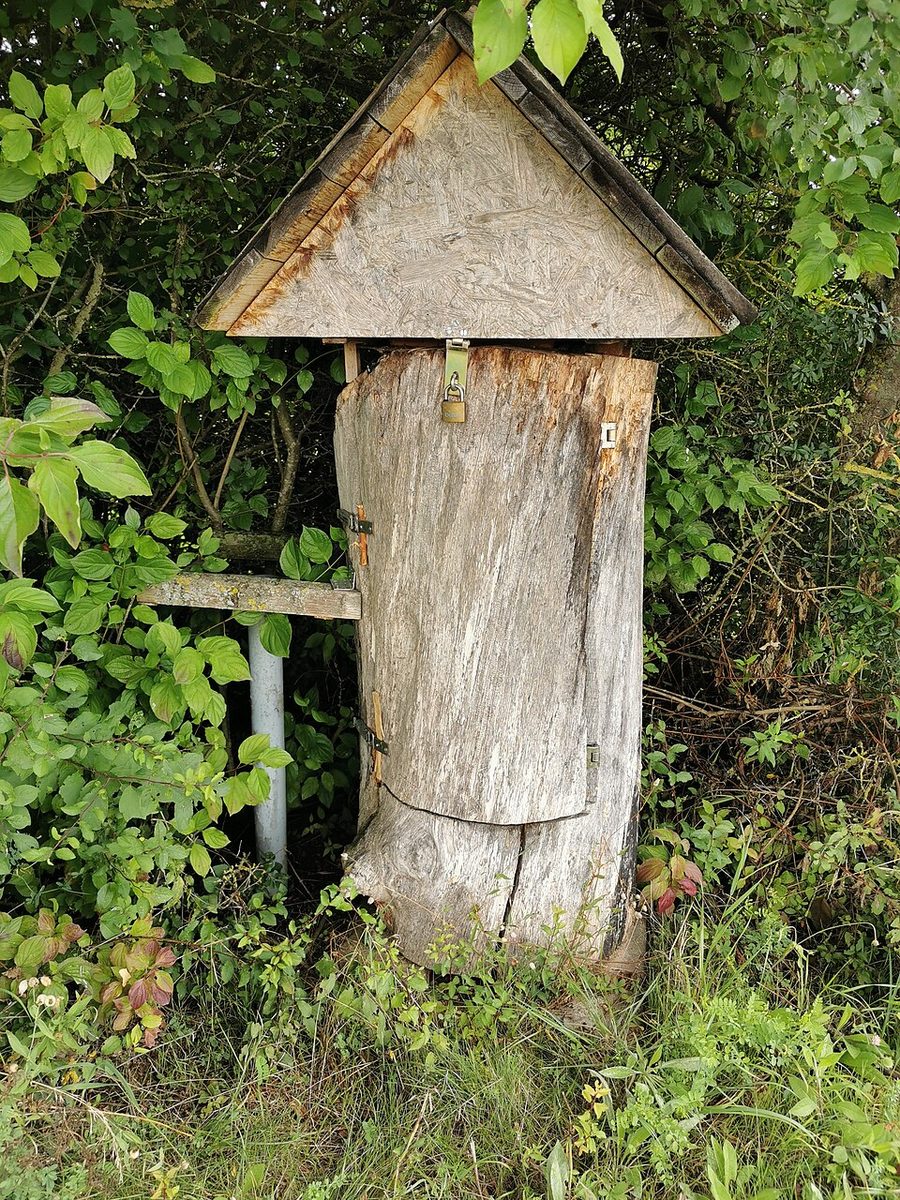
Top photo: a log hive (Klotzbeute) in Kürnach, Germany. Photo: Triplec85, CC0, via Wikimedia Commons